
What Is Psilocybin Therapy? A Beginner's Guide
What is psilocybin?
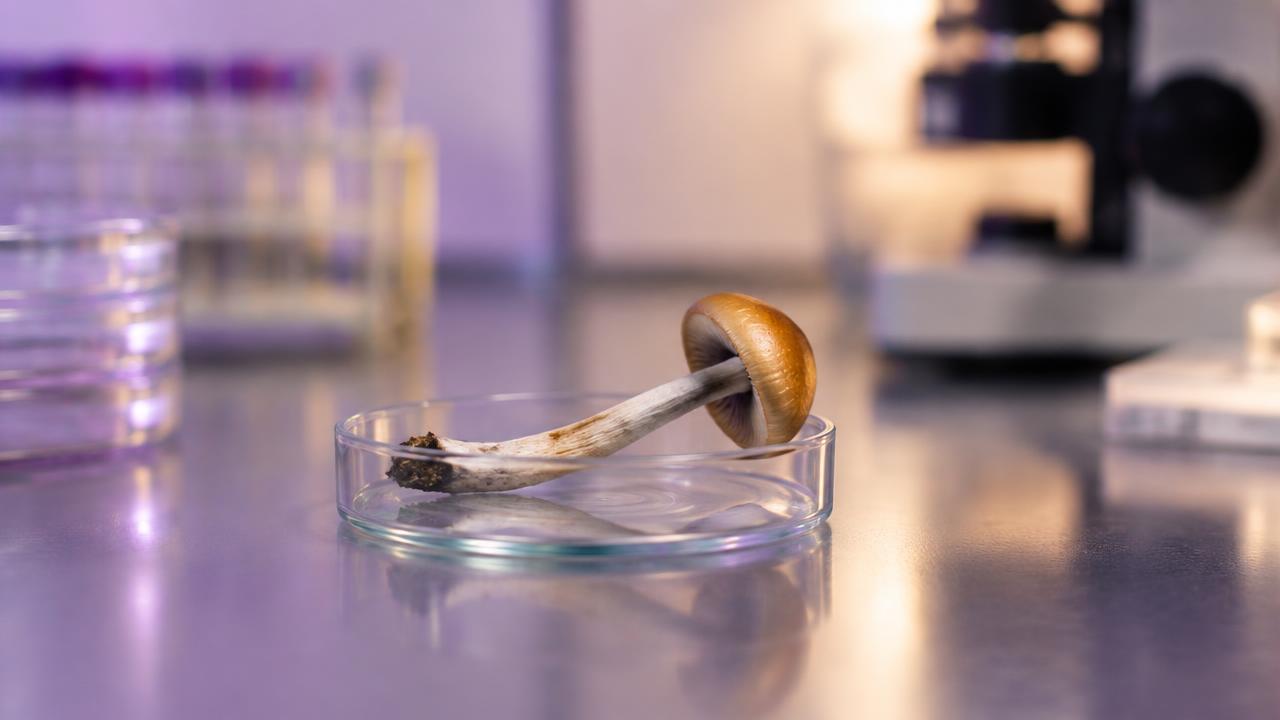
Psilocybin is a naturally occurring psychedelic compound found in certain mushrooms. In the body it converts to psilocin, which acts primarily on serotonin 2A receptors in the brain. As JAMA's clinical overview explains, this produces altered perception, amplified emotions and changes in the sense of self for roughly four to six hours.
Psilocybin remains a Schedule I controlled substance in the United States and, as of late 2026, is not FDA-approved for any condition. Legal access currently happens through clinical trials and, in Oregon and Colorado, through state-regulated programs.
What makes it "therapy" rather than just taking a drug?
In modern clinical research, psilocybin is never given in isolation. The treatment model, often called psilocybin-assisted therapy, has three phases:
- Preparation. Several sessions with trained facilitators to review your history, set intentions and build trust.
- The dosing session. A supervised day-long session in a comfortable clinical room, usually with eyeshades and music, with two trained monitors present throughout.
- Integration. Follow-up sessions to process the experience and connect it to everyday life.
What conditions is it being studied for?
The strongest evidence base is for depression, including treatment-resistant depression, with multiple randomized controlled trials published in journals such as JAMA Psychiatry. Researchers are also studying psilocybin for end-of-life anxiety, PTSD, alcohol use disorder and obsessive-compulsive disorder.
Is it the same as microdosing?
No. Clinical trials use one or two large, carefully measured doses with psychological support. Microdosing — taking very small amounts regularly — is a separate practice with a much thinner evidence base.
The bottom line
Psilocybin therapy is a structured, professionally supported treatment model under active investigation, not a do-it-yourself remedy. If you are curious whether it could help you, the safest routes are enrolling in a registered clinical trial or, where available, a licensed state program.
Written by
Psilocybin News Editorial Team
The Psilocybin News editorial team covers psychedelic science, clinical research and policy, translating peer-reviewed evidence into clear, accurate reporting for patients, families and professionals.
 PreviousAntidepressants and Psilocybin Trials: Why Medication Changes Need Medical Oversight
 NextResponse, Remission, Relapse: Decoding Psilocybin Depression Results